
Dementia care involves significant clinical routines and specialised support, which can often make it seem as though a person’s individuality may be overlooked. This isn’t the case at Ambridge Rose. Our team believes personalised care planning sits at the heart of delivering quality dementia care.
When a care plan makes the difference
A well-built care plan shapes everything from daily routines, communication approaches, how staff respond during moments of distress, what food appears at mealtimes, and when a resident is given space, rather than encouraged to join in an activity.
Before any plan is put together, Ambridge Rose staff spend time gathering information about the person moving in. Clinical assessments such as cognitive status, mobility, continence, swallowing, skin integrity, and ongoing medication requirements are a key part of this stage.
Alongside this, another important element is having a life history conversation with the person’s family. These conversations cover details like what your loved one did for work, what their routines were at home, the people that matter to them, what might cause them distress, and more.
At the heart of Ambridge Rose’s dementia care is being mindful that dementia does not erase personality. If your loved one was independent, including into their later years, they may respond with some resistance to being helped. Another example may be someone who took pride in their appearance will begin to feel more settled when autonomy is respected and maintained.
How the plan is built and who contributes to it
The way we deliver dementia care across our rest homes typically draws on input from several people, from the resident themselves (to whatever degree they can participate), to family members, health professionals, and other significant people in their lives.
For our dementia residents, this holistic approach matters because no single person holds the full picture.
The resulting plan comprehensively covers physical care needs alongside personal preferences, communication strategies, and behavioural guidance. For example, if a resident becomes agitated during personal care, the plan may note that playing a specific type of music beforehand tends to help relieve tension, based on what family has observed at home.
All these details make a genuine difference to care quality, and they are only possible when the planning process actively involves those who know the resident well.
Plans that change as the person changes
One of the most important aspects of personalised care planning is ensuring the plan is constantly evolving, rather than created once, and never updated. Due to the nature of Dementia as a progressive condition, a care plan written at admission may be out of date within a matter of months.
Care plans are reviewed at regular intervals as well as after any significant changes such as a fall, a period of hospitalisation, or a shift in known behaviour. A plan that reflects the person as they were a few months ago may lead to care that is no longer suitable.
The first people to recognise necessary changes to the care plan are the dedicated staff and nurses in the facility, who often recognise small shifts in behaviour before they appear in formal assessments. Care plans are updated as behaviour changes are observed, ensuring it stays up-to-date with the resident’s current needs and patterns.
What families can expect to see in practice
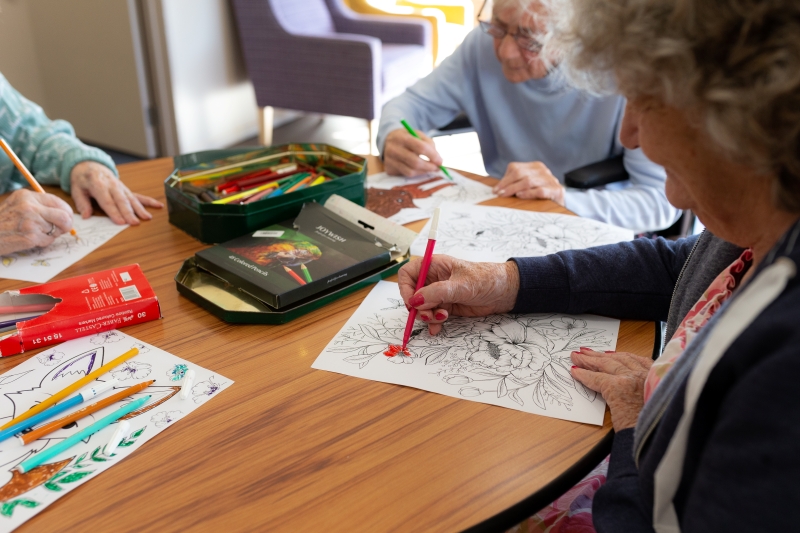
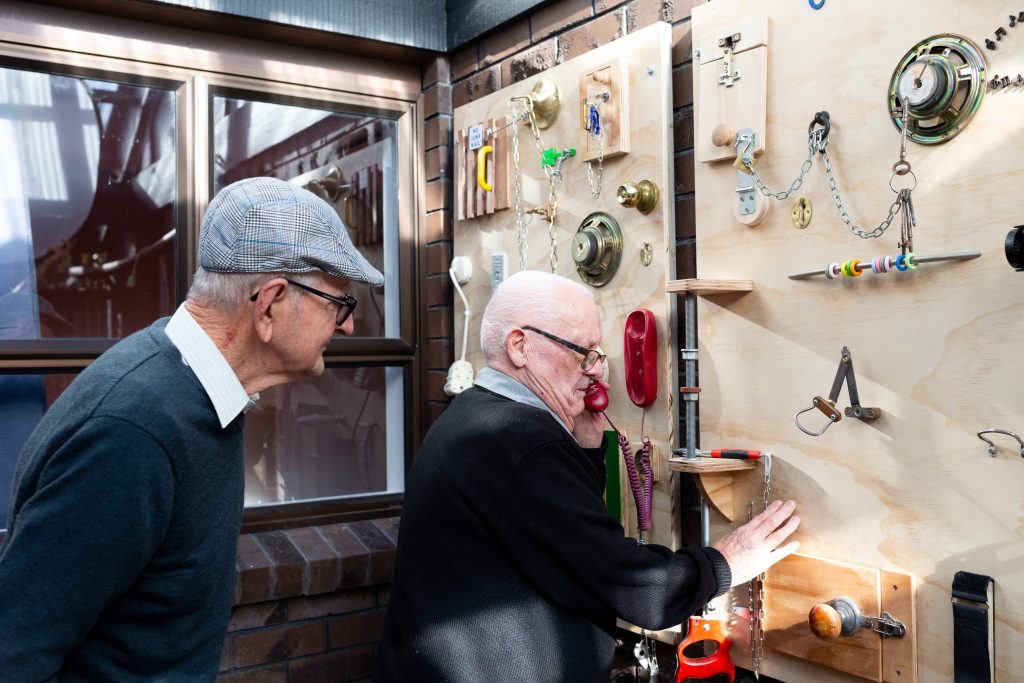
A personalised care plan plays a large part in contributing to a resident’s daily life. It may include meals that consider personal preferences, activities chosen with that person’s background in mind, and staff who address residents by the name they prefer, rather than a formal version they may never have used previously.
How do I know if the care plan is suitable for my loved one?
The key to care plan suitability being achieved is ensuring an individualised approach. This is maintained by tailoring care plans to meet the needs of the resident.
For families choosing dementia care homes in Auckland, we recommend asking the question, how is a personalised care plan delivered on a day-to-day basis?
Personalised care is at the heart of everything we do at Ambridge Rose. It allows us to deliver quality healthcare and dementia support, while helping your loved one maintain their sense of identity and independence.
Contact us to find out how we care for our residents.Find this blog helpful? You may also like these blogs
Buying a gift for your loved one with dementia
Gift giving for a loved one on holidays, birthdays and other celebrations can be hard [...]

Building a support network as a primary carer
Looking after a loved one living with dementia may feel like a long and lonely [...]
Aug

What to expect during a tour at Ambridge Rose
Deciding to explore care options for your loved one can feel daunting, and the pressure [...]
Jul

How Ambridge Rose delivers personalised care plans to meet resident needs
Dementia care involves significant clinical routines and specialised support which can often make it seem [...]
Jun

At home: Talking to children about dementia
When a beloved grandparent or other older relative begins showing signs of dementia, it can [...]
Apr

More than a care home: how the Ambridge Rose community gives back
At Ambridge Rose, we have always believed caring for our residents should extend to the [...]
Mar

Benefits of living seaside at The Beach House
With Auckland’s stunning beaches and fresh sea breeze, living near the ocean at The Beach [...]
Mar

Sleeping with dementia: common sleep disturbances in dementia and how you can help
Disrupted sleeping regularly affects people living with dementia, impacting their restfulness, health and wellbeing, which [...]
Jan